


The short answer
Minimum advertised price is the lowest price a manufacturer lets authorised dealers advertise. For premium AV brands, it’s the norm, which means your website, your Google Shopping listings and your ads show the same price as every other authorised dealer for the same model.
MAP is most familiar in the US, where it’s widely used by audio, video and consumer electronics brands. Manufacturers in other markets often have their own pricing policies too, under different rules.
That’s good for specialists in one way: it stops price wars you couldn’t win. But it moves the competition somewhere else. When price is fixed, buyers choose on confidence, convenience, expertise and experience. A store has to be built to win on those, because it can’t win on price.
What MAP is
A MAP policy is set by a manufacturer and applies to its authorised dealers. It states the lowest price at which a product may be advertised. The policy usually defines what “advertising” means, which products are covered, any exceptions, and what happens if a dealer breaks it.
Crucially, MAP usually governs the advertised price, not necessarily the price a customer finally pays. That distinction matters, and different brands draw it differently, which is why reading each policy matters.
MAP vs MSRP
| MSRP | MAP | |
|---|---|---|
| What it is | Suggested retail price | Minimum price that may be advertised |
| Binding? | A recommendation | A policy with consequences |
| Applies to | The selling price, in principle | The advertised price |
| Typical relationship | Often the same as MAP | Often equal to or close to MSRP |
Why brands use MAP
- To protect the brand. Constant discounting makes premium products look cheap.
- To protect dealers. Specialists who invest in showrooms and expertise can’t survive a race to the bottom.
- To keep dealers investing. Auditions, installation and support cost money; MAP protects the margin that pays for them.
- To keep pricing consistent across channels and regions.
What counts as advertising
Policies vary, but these are commonly treated as advertised prices:
- Prices on your website, including product and category pages.
- Google Shopping listings and other comparison or marketplace listings.
- Paid ads, emails, newsletters and social posts that show a price.
- Printed catalogues, flyers and showroom signage, in some policies.
Some policies treat a price shown only in the basket or at checkout differently from a price on the product page. Others don’t. That’s exactly the kind of detail to check brand by brand.
Want your store checked for MAP risks and missed opportunities?
Book a free auditGrey areas
“Add to cart for price” and “call for price”. Allowed by some policies, treated as advertising by others, and frustrating for buyers either way.
Bundles and free gifts. A free accessory can be seen as an effective discount below MAP.
Discount codes and site-wide sales. Codes that apply to MAP products can breach policy, even if the listed price doesn’t.
Ex-demo, open-box and refurbished stock. Some policies exempt it, some don’t.
Finance and promotional terms. Monthly payments are often fine; some brands restrict promotional finance messaging.
Trade-in offers. Usually treated as separate from the advertised price, but check.
When in doubt, ask the manufacturer or your rep in writing before you advertise. It costs nothing and avoids a warning.
How MAP is enforced
Manufacturers increasingly monitor advertised prices automatically, across dealer websites, marketplaces and Google Shopping. When a dealer advertises below MAP, typical consequences escalate:
- A warning and a request to correct the price.
- Loss of co-op advertising funds or promotional support.
- Temporary suspension of supply for the product or brand.
- Loss of authorised dealer status for repeated breaches.
Monitoring tools don’t distinguish between deliberate breaches and mistakes. A discount code that accidentally applies to a MAP product, or a feed that hasn’t caught up with a price change, looks the same as intentional undercutting. That’s why process matters as much as intention.
For a specialist whose business depends on a handful of premium brands, the last step is serious. Compliance is worth getting right. It also protects your co-op funding; our guide to co-op advertising funds explains why that matters.
The legal side
In the US, MAP policies set unilaterally by a manufacturer are generally treated as lawful, but how they’re structured and enforced matters. Other countries take different approaches to pricing. Canada and the UK, for example, have their own rules on how suppliers may influence resale prices.
This guide explains MAP in general terms. It isn’t legal advice. If you sell across borders, or a policy seems to restrict your actual selling price rather than your advertised price, take advice for your situation.
Unauthorised sellers
The most frustrating MAP breaches often come from sellers who aren’t authorised dealers at all: marketplace sellers, grey importers and resellers of diverted stock. They aren’t bound by the policy, so they can undercut freely, often without the warranty and support an authorised dealer provides.
Report them to the manufacturer; brands deal with unauthorised sellers through their distribution and legal routes. Then make the difference visible to buyers: authorised-dealer status, manufacturer warranty, support and setup. Grey-market stock is cheaper because it comes without all of that.
Running promotions under MAP
Black Friday and Christmas are the biggest trading weeks in AV, and MAP doesn’t stop you taking part. It changes how. Manufacturers often run their own promotional periods, when MAP is temporarily lowered for all dealers; plan stock, feeds and campaigns around those dates so your prices change on time. Outside them, promote what MAP leaves open: services, finance offers your brands allow, bundles where permitted, events and auditions, and non-MAP products such as accessories, cables and your own services.
The key is timing and accuracy. A promotional price that goes live a day early, or stays live a day late, is still a breach. One system owning price, and a checklist for each promotion, prevents both.
Staying compliant
- Keep a policy file for every brand, with exceptions and contacts.
- Exclude MAP products from automatic discounts and site-wide codes.
- Own price in one system, so website, POS and Google Shopping stay in step.
- Update quickly when MAP changes, especially around promotions and model launches.
- Check promotions before they go live, including bundles and gifts.
- Monitor your own listings, including feeds, so errors are caught before the brand catches them.
How to win under MAP
When the price is fixed, buyers decide on what surrounds it. That’s where specialists can win, because it’s where expertise and service show:
| Lever | What it looks like |
|---|---|
| Confidence | Authorised-dealer status, reviews, warranty and returns explained clearly |
| Convenience | Stock, delivery dates, finance and a fast checkout |
| Expertise | Original product content, comparisons and honest advice |
| Experience | Auditions, demo booking and a showroom that’s easy to visit |
| Service | Installation, calibration, setup and support after the sale |
| Presentation | A store that looks as premium as the brands it sells |
Our guide to why customers research with you and buy elsewhere covers these in depth.
MAP and your margins
MAP protects margin, but only if the rest of the business doesn’t give it away. The common leaks for AV retailers are payment processing on high-ticket sales, free delivery on heavy items, and installation that isn’t priced properly. Under MAP you can’t recover those costs on price, so they need managing directly: choose payment setups with sensible rates, price services honestly, and make sure marketing spend is judged against real store revenue rather than platform figures. Our Shopify website cost guide covers processing costs on high-ticket sales.
Working with your brands
MAP is one part of a wider relationship with each manufacturer. Retailers who manage it well tend to:
- Know their rep, and ask questions before advertising anything unusual.
- Present the brand properly, with good imagery, accurate specifications and dedicated brand pages.
- Claim co-op funds they’re entitled to, which MAP compliance usually protects.
- Share what they’re seeing: unauthorised sellers, pricing problems, buyer feedback.
- Plan launches together, so new models are on display and online on launch day.
A dealer that represents a brand well online is often a dealer that gets support, allocation and attention when it matters. In categories where new models are allocated in limited numbers, that relationship can decide who has stock on launch day and who doesn’t.
MAP across channels
Many AV retailers sell through more than one channel: the website, the showroom, Google Shopping, and sometimes marketplaces. Each is a place where a price is advertised, and each needs to stay compliant. The safest setup is one source of truth for price, feeding every channel automatically, so a MAP change is made once and appears everywhere. Manual updates across several systems are where most accidental breaches happen.
Communicating value
When every dealer shows the same number, the job of the product page is to show what the number includes when bought from you. Put it next to the price, not in the small print: “Includes delivery, setup and our two-year support”, “From $519 a month”, “On display to audition”, “Authorised dealer”. Each line is a reason to buy from you at the same price, and buyers comparing tabs need to see them at a glance.
Services and value
Services are the clearest way to add value without touching the price: delivery and installation, room setup and calibration, extended support, trade-in and home demonstrations. They’re usually outside MAP, but check how each brand treats them, especially if a service is offered free.
Make them visible on the product page. A buyer comparing two dealers at the same price will choose the one that includes setup, if they can see it. Price the services honestly, too: a well-run installation service is a profit line of its own, not just a sweetener.
Content and expertise
Under MAP, the manufacturer’s description, the manufacturer’s images and the price are the same on every dealer’s page. Original content is one of the few things that can make your page genuinely different, both to buyers and to Google. Our guide to why manufacturer copy stops your product pages ranking explains how to build it.
The buying experience
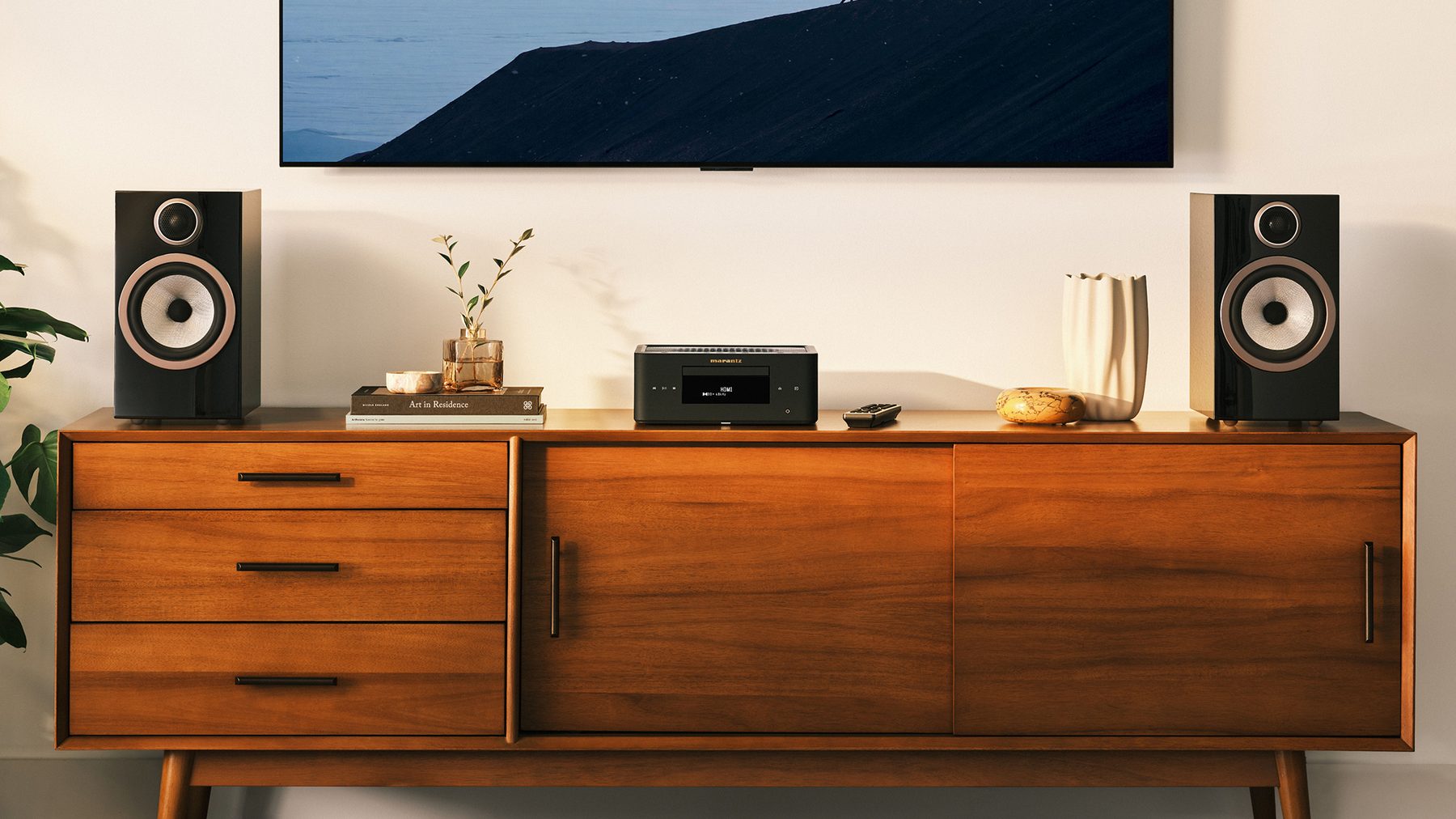
A fast, premium-feeling store with finance, clear stock and easy contact wins more often at the same price than a slow, generic one. That’s why a store built around how AV buyers decide matters so much in a MAP category. Hi-Fi Centre, selling MAP-protected brands at the same prices as other dealers, tripled revenue in three years after its store was rebuilt. Our page on Shopify website design for hi-fi and AV retailers shows how we approach it.
MAP on Google Shopping
Google Shopping puts listings side by side, so MAP is most visible there. When every price is identical, listings compete on everything else: complete product data, better images, product ratings and store reviews, shipping speed and cost, and promotions your manufacturers allow. Then the landing page has to convert. Our Google Shopping with Shopify guide covers the feed side.
Common mistakes
Site-wide discount codes that include MAP products. One of the most common accidental breaches.
Feeds that lag behind price changes. The website is right, Google Shopping isn’t.
Hiding prices to look competitive. It rarely wins sales and often loses researched buyers.
Competing on the wrong thing. Chasing unauthorised sellers’ prices instead of out-serving them.
Generic product pages. At the same price, the page with nothing to add loses to the familiar retailer.
MAP checklist
- A current policy file for every brand.
- MAP products excluded from automatic discounts.
- One system owning price across website, POS and feed.
- Promotions and bundles checked before launch.
- Ex-demo and refurbished pricing checked against each policy.
- Unauthorised sellers reported to manufacturers.
- Services, finance and dealer status visible on product pages.
- Original content on priority products.
- Google Shopping data complete and accurate.
Get your store reviewed for free.
Book a free auditMinimum advertised price: FAQ
Sources
This guide explains MAP in general terms and is not legal advice. Pricing law differs between countries and changes over time; take professional advice for your situation. Search interest from Google Keyword Planner, September 2025 to August 2026. Results are from the Lipton’s and Hi-Fi Centre case studies.