


The short answer
Local search is where showroom buyers start. When someone types “home audio stores near me” or “home theater store”, Google shows a map with a few businesses, then a list of websites. The showrooms that appear get the visits; the ones that don’t are invisible to buyers who were ready to walk in.
Winning those searches comes down to a complete and active Google Business Profile, a steady flow of genuine reviews, consistent details everywhere, and a website with a strong showroom page. None of it is complicated. Most AV retailers simply haven’t done all of it.
The demand
Our keyword research across the US, Canada, the UK and Australia shows steady local demand for AV showrooms:
| Search | Monthly searches | Year on year |
|---|---|---|
| home audio stores near me | 2,400 | −34% |
| home theater store | 1,900 | +81% |
| home theater store near me | 1,600 | 0% |
| home cinema shops near me | 1,600 | 0% |
| home stereo stores near me | 880 | 0% |
The numbers move between years, with some terms falling and others, like “home theater store”, rising sharply. What doesn’t change is the intent behind them.
These are some of the highest-intent searches in the category. Someone searching for a store near them wants to visit, often soon. Being in the results is worth more than almost any ad.
How local search works
Google describes local results in terms of three things:
- Relevance: how well your business matches the search. A complete, accurate profile with the right categories helps.
- Distance: how far you are from the searcher or the place they searched for. You can’t change this.
- Prominence: how well known your business is, reflected in reviews, links, mentions and your website.
Most of the work is on relevance and prominence, and most of it starts with your Google Business Profile.
The map pack and organic results
Local searches usually show two kinds of result: a map with a few businesses, often called the map pack, and the regular list of websites below it. The map pack is driven mainly by your Business Profile, distance and prominence. The organic list is driven by your website: its showroom page, its content and its authority.
Strong showrooms appear in both. A buyer who skips the map and scrolls the list should still find your showroom page, a guide you’ve written, or your listing on a brand’s dealer locator. Covering both doubles your chances of being chosen.
Apple Maps, Bing and beyond
Google isn’t the only map. Many buyers use Apple Maps on their iPhone, and Bing’s business listings feed other services. Claim and complete your listings on each, with the same name, address, phone, hours and photos as your Google profile. It takes an afternoon and closes a gap most competitors leave open.
Questions and messages
Buyers often ask questions directly from local listings: do you have this model on display, do you install, do I need an appointment? Answer them quickly and clearly, and where your listing allows it, add answers to common questions yourself. If you enable messaging or calls from your profile, make sure someone responds promptly; an unanswered question is a buyer who goes to the next showroom on the map.
Google Business Profile
Your Business Profile is what appears in Maps and the local results. Make it complete:
- Business name exactly as it appears on your shopfront.
- Address, phone number and website, identical to your website.
- Opening hours, including holiday hours and appointment-only times.
- Primary and secondary categories that match how buyers search.
- A description that says what you sell, the brands you’re authorised for, and that you offer auditions and installation.
- Attributes, such as accessibility and appointment booking.
- A booking link for demos, if you take them.
Want your Business Profile reviewed?
Book a free auditCategories
Your primary category is one of the strongest relevance signals. Choose the one that best describes your business as customers would search for it, for example a stereo store, home theater store or electronics store, then add secondary categories for other things you genuinely do, such as installation services. Check the options Google offers for your country, and look at which categories competitors who rank well are using.
Reviews
Reviews influence both rankings and choice. A buyer comparing three showrooms on a map will often pick the one with more recent, detailed reviews. Build a steady flow:
- Ask every happy customer, ideally after delivery or installation, with a direct link.
- Reply to every review, positive and negative, promptly and personally.
- Never buy or incentivise reviews in ways Google’s policies prohibit.
- Show reviews on your website too, especially on product and showroom pages.
For high-end AV, reviews that mention auditions, installation and service are particularly valuable, because they answer what a buyer is really worried about. Timing helps too: ask when the customer is happiest, usually just after the system is set up and sounding right, not at the till.
Photos
Photos are often the first impression, and for a business people visit, they answer the question “what’s it like inside?”. Add your listening rooms, the displays, the shopfront so visitors recognise it, your team, and completed installations where customers have agreed. Update them when rooms change or new systems go on display. Real photos of your space build far more confidence than manufacturer images, and they show what makes visiting worthwhile.
Posts and products
Business Profile posts let you share events, new arrivals and offers directly in search results. A listening evening, a new model on display, or a seasonal offer gives searchers a reason to visit now. Post regularly, especially around launches and peak season.
You can also show products on your profile, and with local inventory, Google can show what’s in stock at your store. Our local inventory ads guide covers that setup.
Consistent details
Your name, address and phone number should be identical everywhere: your website, Google, Apple Maps, Bing, Facebook, industry directories and brand dealer locators. Inconsistencies, such as an old phone number on a directory or a different suite number, confuse search engines and send customers to the wrong place.
Brand dealer locators deserve particular attention in AV. Buyers often find dealers through a manufacturer’s “find a dealer” page, so make sure every brand lists you correctly and links to the right page on your site.
Your brands’ dealer locators
In premium AV, many buyers start on the manufacturer’s website and use its “find a dealer” page. Those pages send high-intent visitors, and they’re also trusted links to your site. For every brand you carry, check that your listing is present, that the name, address and phone match your Business Profile, that the link goes to your showroom page or the brand’s page on your site rather than your homepage, and that you’re listed for the right product categories. Ask your rep to correct anything that’s wrong.
If you also install
Many AV showrooms also design and install systems in customers’ homes. That side of the business has its own local searches, such as home theater installation or whole-home audio, and a different buyer: someone planning a project rather than visiting to audition. Give it its own pages on your website, with project photos (with customers’ permission), the areas you cover, the brands you install and how a project works. Add installation as a service on your Business Profile, and ask installation customers for reviews that mention the project.
A showroom page
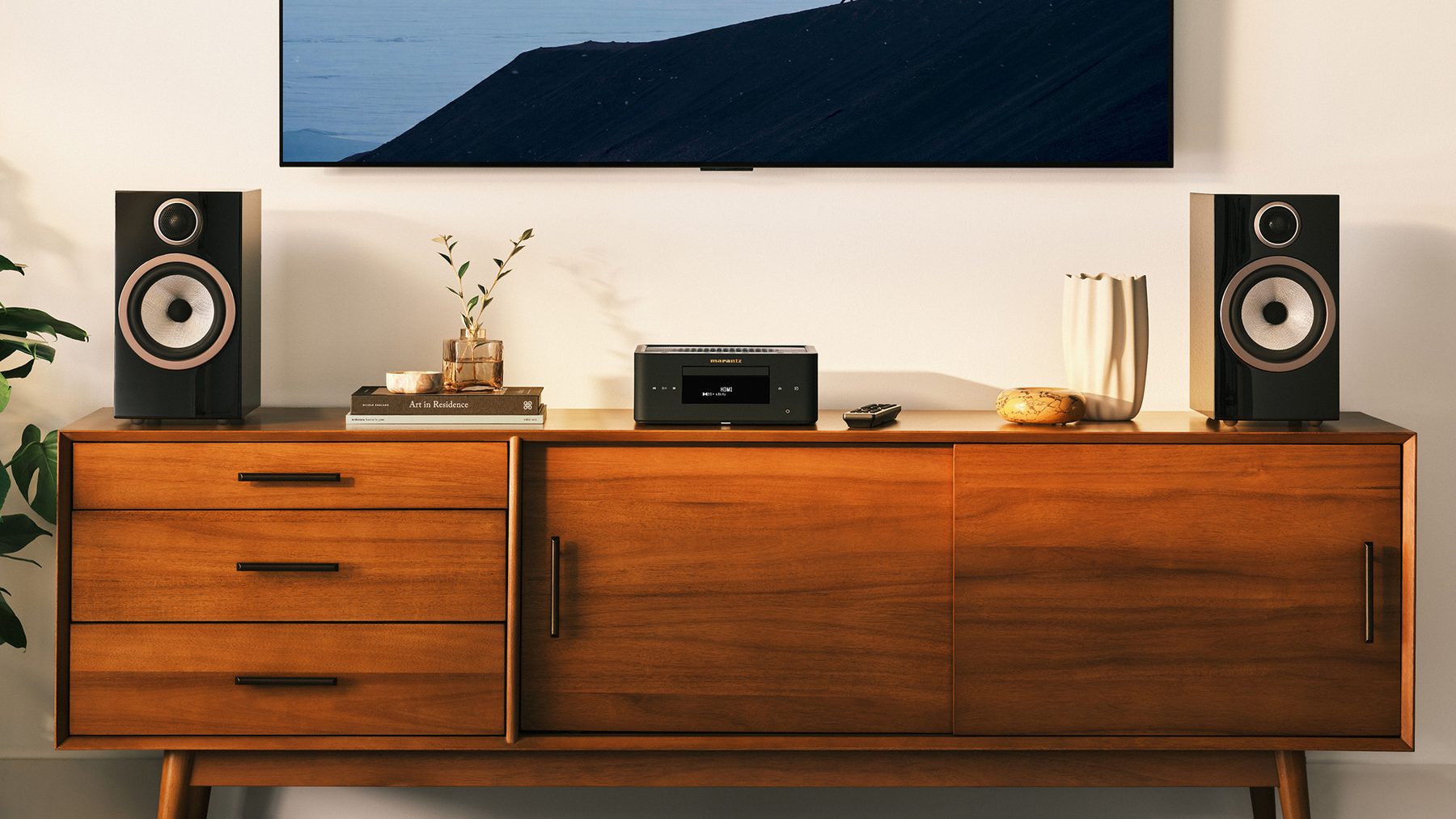
Your website should have a dedicated page for each showroom. It’s where your Business Profile links, and it supports how you rank locally. Many AV websites hide the showroom in a footer address or a contact form; a proper page treats it as the destination it is. Include:
- Address, phone, opening hours and a map.
- Directions and parking.
- What’s on display and how to book an audition.
- Photos of the listening rooms.
- The brands you’re authorised for.
- Installation and services you offer locally.
- Reviews from local customers.
Local structured data
Structured data describes your business to search engines in a format they read directly: business type, name, address, phone, opening hours, geo-coordinates and links to your profiles. Add it to your showroom page. On Shopify, a well-built theme can generate it from your store settings, so it stays accurate when details change.
Local content
Content that connects your expertise to your area helps both relevance and trust: installation projects in local homes (with permission), events you’ve hosted, buying guides that mention your showroom’s demo rooms, and news about new arrivals. Avoid thin “town” pages that swap place names into the same text. They add little, and search engines tend to ignore them.
Local links and mentions
Prominence grows when other local sites mention you: local press covering an event, community organisations you support, local business associations, and the brands whose dealer locators list you. One genuine local mention is worth more than many directory listings. Events are a natural way to earn them.
Mobile and speed
Local searches happen overwhelmingly on phones, often on the way somewhere. When a buyer taps through to your showroom page, it needs to load fast and show the essentials immediately: address, opening hours, a tap-to-call number and directions. A slow or cluttered page loses the visit at the last step.
Seasonal local search
Local demand rises before Christmas, around Black Friday and when major models launch. Prepare ahead: update holiday hours early, post events and new arrivals, refresh photos with what’s on display, and make sure local inventory is accurate. The weeks when buyers are most ready to visit are the worst time for out-of-date hours or a profile that hasn’t been touched in months.
Showing stock locally
Local search gets stronger when Google can show what’s actually in your showroom. Free local listings and local inventory ads put your in-store products in front of nearby searchers, often for specific models. For a buyer deciding where to audition a pair of speakers, “on display near you” is a powerful reason to choose your store.
More than one showroom
Retailers with several locations have an advantage in local search, because each showroom can appear for searches near it. Each location needs its own Business Profile, its own showroom page on your website, and its own reviews. Keep details consistent per location, and link each profile to its own page rather than the homepage. Stock per location, shown online, helps buyers choose the nearest showroom with what they want to hear.
Measuring local search
Your Business Profile shows how often you appear in searches and maps, and how many people call, request directions or visit your website. Combine that with calls and demo bookings from your showroom pages, and showroom revenue over time. Local search mostly produces offline sales, so measure it against total store revenue; our guide to showroom sales attribution explains how.
Common mistakes
An unclaimed or incomplete Business Profile. The most common and most costly gap.
Wrong or missing opening hours. Nothing loses a visitor faster than a locked door.
Inconsistent details across directories and dealer locators.
Few, old reviews, with no replies.
Profile linking to the homepage instead of a showroom page.
Thin town pages instead of genuine local content.
Stock photos instead of your real rooms.
Local search checklist
- Business Profile claimed, verified and complete for each showroom.
- Primary and secondary categories chosen carefully.
- Opening hours accurate, including holidays.
- A steady flow of reviews, all replied to.
- Real photos of rooms, displays, team and installations.
- Regular posts for events and new arrivals.
- Name, address and phone identical everywhere, including dealer locators.
- A dedicated showroom page with local structured data.
- Local content and genuine local mentions.
- Local inventory showing what’s on display.
- Results measured against showroom revenue.
Get your local search audited for free.
Book a free auditHome audio store local search: FAQ
Sources
Search volumes from Google Keyword Planner, September 2025 to August 2026, across the US, Canada, UK and Australia combined. Local ranking factors and Business Profile features are as described in Google Business Profile Help at the time of writing.